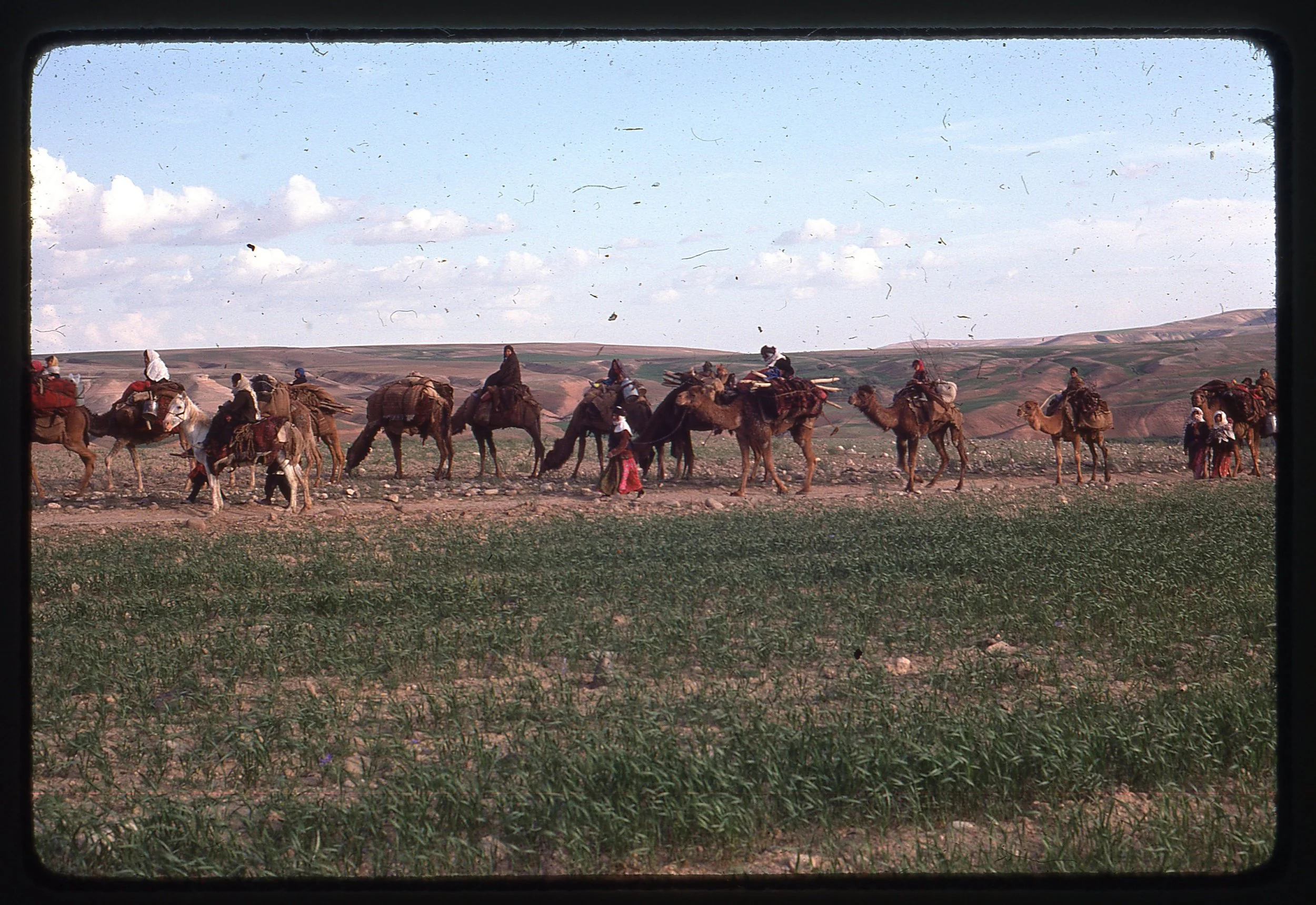
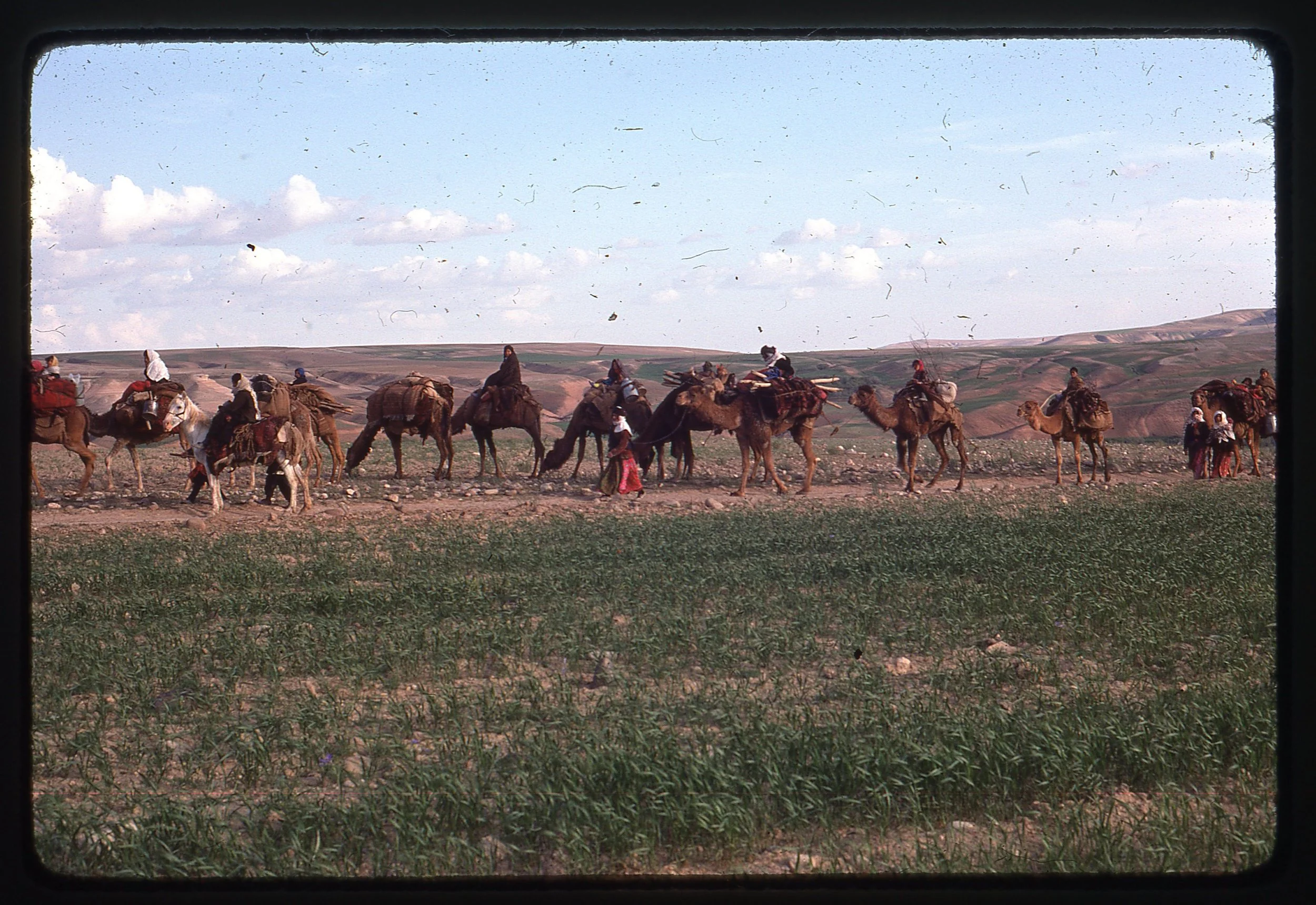
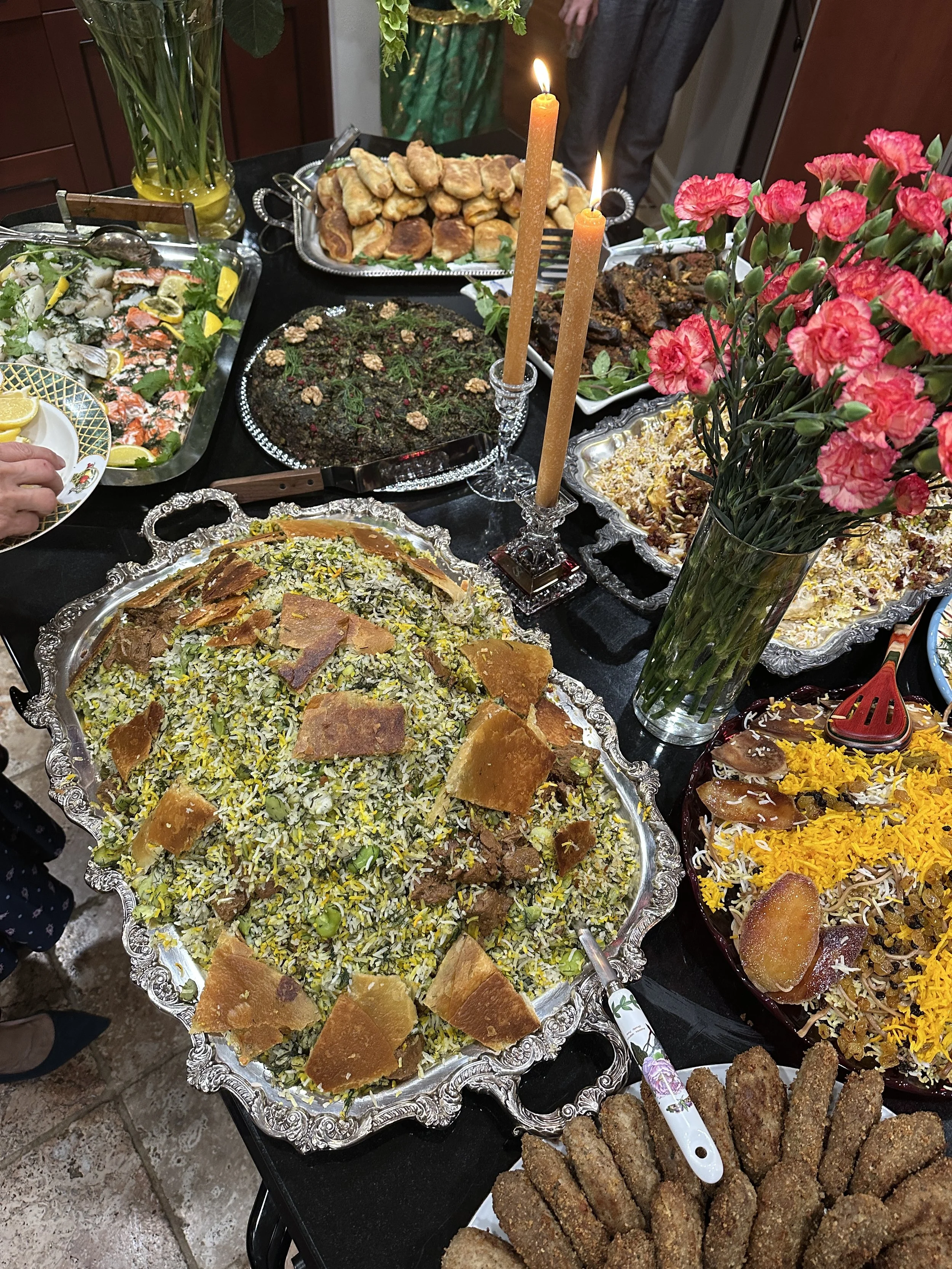
Nowruz, most commonly known as Persian New Year, has been celebrated for more than 3,000 years across Iran and much of Central and Western Asia. Marking the first day of spring, it is a festival of renewal, light and resilience — a time when families gather around symbolic tables, honoring rebirth and the hope of brighter days ahead.
But this year, Nowruz arrives at a time of extraordinary emotional turmoil for Iranians everywhere.
On February 28, 2026, the Islamic Republic of Iran’s Supreme Leader, Ayatollah Ali Khamenei, was killed, an historic death that marks an unprecedented turning point and has sparked sorrow, relief, fear and uncertainty across the nation and the diaspora.
For many Iranians, this moment arrives against a backdrop of recent and long-standing trauma. In January, thousands of protestors and civilians were killed following state-directed violence. Over decades, millions have endured repression, imprisonment, displacement, war and fear under successive crackdowns and state policies. Entire generations have lived under strain. Families carry grief that stretches across years.
Today, Iranians are holding myriad emotions simultaneously-- emotions that are almost impossible to reconcile.
We are in mourning, saddened with grief and loss. We are full of hope and relief. There is fear. Uncertainty.
Celebration in the streets exists alongside anxiety about bombs and sorrow for lives lost. Families dance for joy at the gravesites of children killed earlier this year. Hope and anxiety sit side by side with fear and rage. The future feels possible, but fragile.
This simultaneity — mourning and release, joy and terror, exhaustion and fragile optimism — is emotionally and psychologically overwhelming. In moments like these, trauma-informed psychological support is essential.
That is why I am raising funds to support trauma-healing initiatives connected to the Center for Mind-Body Medicine through their Earth Relatives programming, and, in doing so, providing direct, culturally-grounded psychological support to fellow Iranians in need.
Thank you for your support and solidarity.
〰️
Thank you for your support and solidarity. 〰️
NOWRUZ means “NEW DAY”

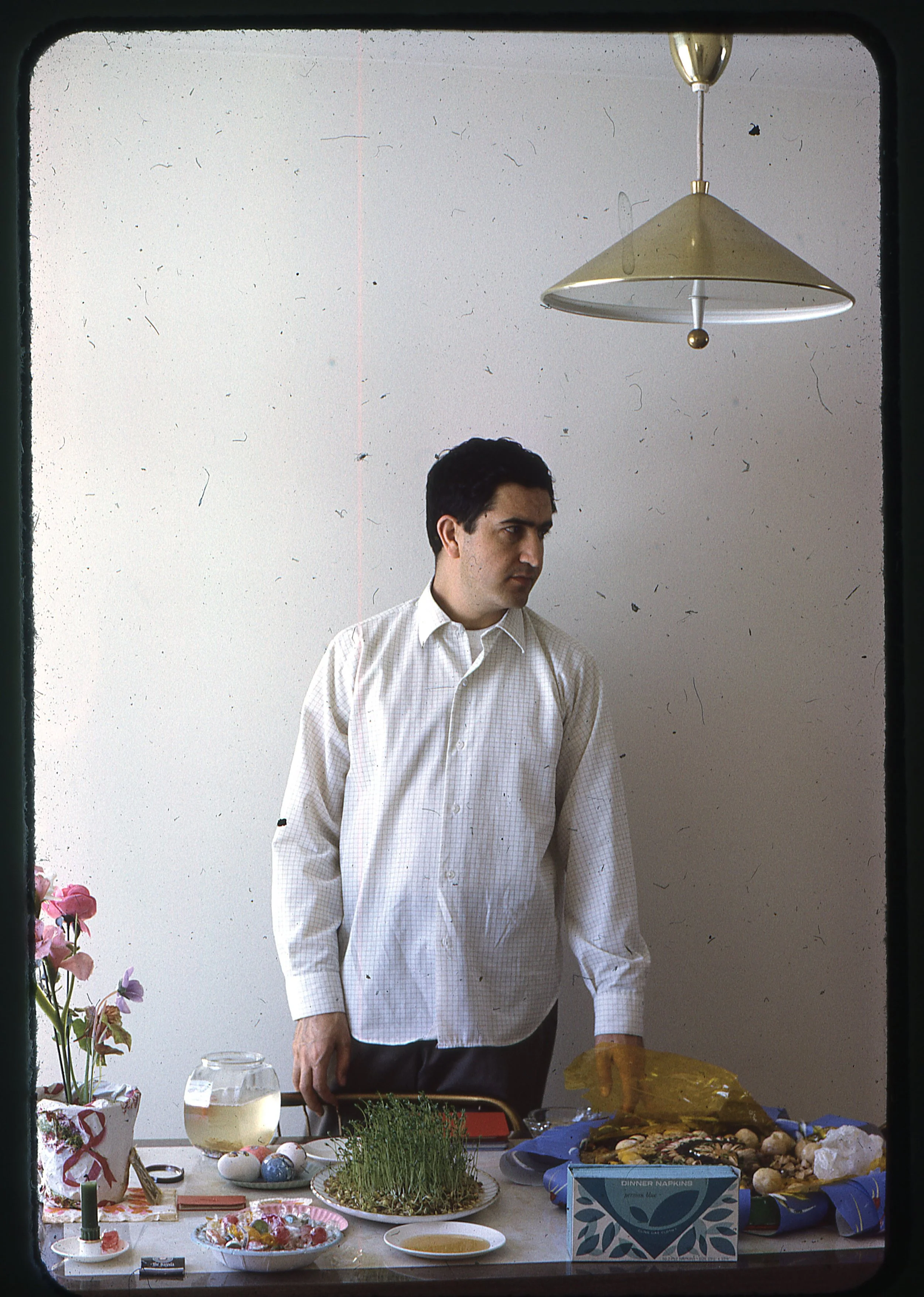
Why This Matters — For Me, Anna Ansari
I am a London based Iranian-American, and the author of Silk Roads: A Flavor Odyssey from Baku to Beijing.
Both Nowruz and this current moment are deeply personal to me. That’s my dad in the photo above, celebrating one of his first Nowruz in America in the 1960s.
I grew up celebrating Nowruz as a symbol of renewal, resilience and continuity. But, to me, the renewal that comes with the new year should not merely be symbolic. When thousands have recently lost their lives and millions have endured decades of strain, healing must accompany hope.
Supporting trauma-informed care is my way of honoring both grief and possibility, and of helping to ensure that this fraught current moment is being met with both compassion and practical support.
Solidarity is powerful, but solidarity with action is even better.
Why Trauma Support Is Critical
Trauma doesn't have to be a single moment. It can accumulate over years and decades. And when emotions collide—grief with relief, celebration with fear—the psychological toll can be crushing. Unprocessed grief becomes generational. Unresolved fear becomes chronic. Collective overwhelm becomes paralysis.
Providing structured psychological support helps individuals regulate fear, process loss and build resilience during uncertainty.
Nowruz celebrates light after darkness; light alone does not heal. Healing requires care, tools and community.
What Your Donation Will Do
— Right Now
Your support will help provide:
• Trauma-informed training for local clinicians and community leaders
• Mind–body tools to regulate fear, panic and shock
• Small-group healing spaces for collective processing
• Immediate psychological first aid for individuals and families
This is practical, evidence-based support designed to stabilize people during extreme emotional strain.
Supporting trauma healing is one way to turn collective upheaval into a foundation for resilience and recovery.
Your donation can help Iranians process overwhelming emotion and begin to find a better sense of steadiness, dignity and resilience.